Cheap deep cleaning in Kensington without hidden charges
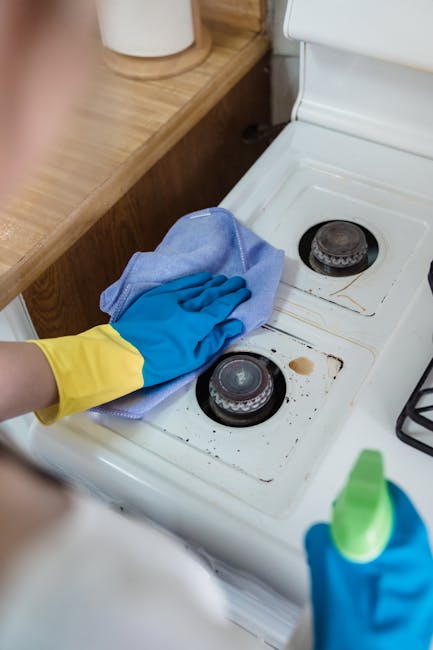
If you're looking for cheap deep cleaning in Kensington without hidden charges, you probably want two things at once: a fair price and no nasty surprises at the end. Sensible, really. Nobody enjoys a quote that looks neat on paper and then quietly grows legs when the job is done.
This guide breaks down what a proper deep clean should include, how transparent pricing usually works, what can cause costs to rise, and how to judge whether a quote is genuinely good value. We'll keep it practical and grounded in real-life cleaning scenarios around Kensington, where properties can be elegant, compact, busy, or all three at once. And yes, that combination can make cleaning more involved than it first looks.
By the end, you'll know how to compare quotes properly, avoid hidden extras, and choose a service that feels clear from the start. Not flashy. Just honest.
Why cheap deep cleaning in Kensington without hidden charges matters
On the surface, "cheap" sounds like the headline. But in cleaning, low cost only matters if the price stays clear and the work still does what you need. That's especially true in Kensington, where homes and flats can vary a lot in layout, age, access, and finish. A small flat with lots of fitted surfaces may take longer than a larger but simpler property. Funny how that works.
Hidden charges are the real problem. They usually appear as add-ons for things that were never clearly explained: heavy limescale, extra bathrooms, appliance interiors, parking, stair carry, late access, or a minimum booking charge that was tucked away in small print. You may think you've found a bargain, then realise the final bill isn't a bargain at all.
What makes this topic important is trust. A transparent deep clean quote helps you compare apples with apples. It also helps you budget properly, whether you're preparing for a move, freshening up a rented flat, tackling post-renovation dust, or just trying to get the place back to a decent baseline after life has done its thing.
Expert takeaway: A genuinely low-cost deep clean is not the cheapest headline price; it's the quote that clearly explains what is included, what is optional, and what could change the final total before anyone starts work.
If you want to understand how service pages and pricing information are usually presented, the pricing and quotes page is a useful place to start. It should give you a sense of how a provider frames value without turning the whole thing into a guessing game.
How cheap deep cleaning in Kensington without hidden charges works
A proper deep clean is more detailed than a standard tidy-up or routine weekly visit. The cleaner works through areas that often get missed in regular cleaning: skirting boards, behind appliances, bathroom grime, taps, fixtures, grease build-up, limescale, and all the little corners that quietly collect dust. Not glamorous, but that's the job.
Transparent pricing usually works best when the cleaner or company asks the right questions first. These are the things that affect the price in a fair way:
- property size and number of rooms
- condition of the home
- how much clutter needs moving
- whether appliances or inside cupboards are included
- access to the property and parking constraints
- special tasks such as oven cleaning or carpet treatment
In practice, the cleaner should explain whether the quote is fixed or estimated. A fixed quote is clearer for the customer. An estimated quote may still be fair, but only if the conditions for change are explained before booking. That's the bit people often miss.
Some jobs are straightforward. A one-bedroom flat with normal wear, easy access, and no unusual buildup may be priced quickly. Other jobs need more detail. A property after a long vacancy, building works, or a tenant move-out may need extra time and more specialist attention. For instance, if you've just finished furniture assembly and the whole place smells faintly of paint and dust, that is not your average spruce-up. You'll probably need a deeper clean than first expected.
A deeper clean can also be combined with other services where relevant. For example, if the kitchen needs a proper reset, an oven cleaning add-on or a broader deep cleaning service may be the right fit. If soft furnishings need attention, there are specialist options too, such as carpet cleaning or upholstery cleaning.
The key is simple: the cleaner should tell you what's included before the job begins, not after the dust has settled. Literally.
Key benefits and practical advantages
The biggest benefit of transparent, affordable deep cleaning is peace of mind. You know what you're paying, what you're getting, and what the final result should roughly look like. That clarity matters more than people admit.
1. Better value for money
A service can be affordable without being basic in the wrong way. If the quote is well explained, you can choose the parts of the job that matter most and skip anything unnecessary. For example, if your main issue is kitchen grease and bathroom buildup, you may not need the full works on every room.
2. Less stress around billing
No one wants a surprise extra charge for a task that should have been discussed upfront. Clear pricing reduces the awkward "Oh, by the way..." moment at the end of the visit. To be fair, that's a relief for both sides.
3. Better cleaning priorities
A clear quote often encourages a more focused clean. The cleaner can spend time where it will make the biggest difference instead of padding the job with vague extras. That usually means better results where it really counts: bathrooms, kitchens, floors, and high-touch areas.
4. Easier comparison between providers
Once quotes are transparent, you can compare like for like. One provider may seem cheaper, but if another includes appliance interiors, limescale treatment, and vacuuming under furniture, the cheaper one may not actually be the better deal.
5. More confidence for renters, owners, and landlords
For renters and landlords especially, a clear, fair deep clean can help reduce friction at the end of a tenancy or before new occupants move in. It's not just about appearance. It's about setting the property up properly.
If you want a cleaner that also explains how it handles customer trust, terms, and service expectations, you can read more about the company background on the about us page, along with supporting details in the terms and conditions.
Who this is for and when it makes sense
Cheap deep cleaning without hidden charges is not just for one type of customer. In Kensington, the need can show up in all sorts of situations. Some are obvious, some less so.
- Tenants who want the property clean before moving out or after moving in.
- Homeowners who need a reset after a busy period, guests, or renovation work.
- Landlords and letting agents preparing a property between tenancies.
- Busy professionals who've let the deep-clean jobs build up for too long. Happens.
- Families dealing with sticky kitchens, bathrooms, and general day-to-day build-up.
- Short-let hosts who need a property to look, feel, and smell properly fresh between stays.
It also makes sense when you want a one-off clean rather than a weekly service. If your home is basically under control day to day but needs a proper refresh every so often, a one-off cleaning visit may suit you better than a regular plan. If you do want ongoing help, regular cleaning may be the more practical choice.
Here's a real-world example: a couple in a W8 flat might keep the place tidy most weeks, but after a long stretch of work travel, the oven, bath grout, and window sills are suddenly looking a bit neglected. They do not need a full refurbishment of the place. They need a focused deep clean that targets the obvious pain points. That's exactly where transparent pricing matters, because it stops the job from becoming more expensive than it needs to be.
Step-by-step guidance
If you want to book cheap deep cleaning in Kensington without hidden charges, the smoothest approach is usually the simplest. Ask clear questions, compare the same details, and don't rush the quote. Easy to say, I know, but it saves headaches later.
Step 1: List the rooms and tasks you actually need
Write down what really needs attention. For example:
- kitchen degreasing
- bathroom limescale removal
- inside oven
- skirting boards and high-touch surfaces
- floors and corners
- windows or glass spots
- soft furnishings, if needed
This helps you avoid paying for work you don't need and makes the quote more accurate.
Step 2: Ask what the base price includes
Do not assume every company includes the same things. Ask whether the base service covers inside cupboards, appliance exteriors, sinks, taps, door frames, and accessible dusting. A good provider will tell you plainly.
Step 3: Clarify what may count as an extra
Good questions include:
- Is parking or congestion ever charged separately?
- Does heavy limescale change the price?
- Is oven cleaning included or optional?
- Are balcony areas, utility rooms, or lofts counted separately?
- What happens if access is delayed?
If the answers sound vague, that's a sign to slow down. Not necessarily a bad provider, but not ideal either.
Step 4: Check whether the quote is fixed or estimated
A fixed quote gives the cleanest customer experience. If the price is estimated, ask what would cause it to change. For example, a quote may be based on the property description and photos, with a note that any material difference on arrival must be discussed before work continues.
Step 5: Confirm timing and access details
Kensington properties can be awkward in the good old London way: controlled entry, narrow streets, awkward parking, or specific building access rules. Make sure the cleaner knows if there are stairs, codes, concierge arrangements, or time restrictions. If you skip this, pricing and timing can both wobble.
Step 6: Get the final confirmation in writing
Even a simple written confirmation is useful. It should say what's included, the agreed price or estimate basis, and any known exclusions. Nothing fancy. Just enough to avoid confusion later.
Expert tips for better results
Over time, one thing becomes very clear: a cleaner can only do a strong job if the job has been set up properly. Here are a few practical tips that improve both results and value.
Tip 1: Tidy first, but don't deep clean before the deep clean
Put away personal items, documents, and fragile bits so the cleaner can work properly. But don't spend two hours scrubbing the shower yourself before the professionals arrive. That's not the point, and honestly it's a bit exhausting just thinking about it.
Tip 2: Mention problem areas clearly
If the bathroom has limescale around the taps, or the kitchen has grease behind the hob, say so upfront. The cleaner can bring the right products and estimate time more accurately.
Tip 3: Separate "nice to have" from "must have"
When money is tight, priorities matter. Maybe the oven and bathroom are urgent, while the inside of every cupboard can wait. A good quote should allow that kind of flexibility.
Tip 4: Avoid booking the cheapest option without reading what it covers
That bargain quote may not be a bargain if it excludes the exact tasks you need. A cleaner who is transparent about limits is usually more trustworthy than one who sounds too good to be true.
Tip 5: Ask about supplies and specialist products
Some jobs need stronger descaling or degreasing products. Others require gentler treatment for stone, wood, or delicate finishes. If you have a special surface, say so. Better safe than sorry.
Tip 6: Use the visit as a reset
A deep clean works best when it clears the "long list" of neglected tasks. If you can pair it with sensible follow-up habits, the place stays fresher for longer. Small weekly touch-ups make a huge difference, truth be told.
Common mistakes to avoid
People usually don't get stung by hidden charges because they're careless. More often, they assume a quote means one thing when it actually means another. Small misunderstanding, bigger bill.
1. Assuming everything is included
If a service says "deep clean," that does not always mean every cupboard, appliance, and corner is included. Ask directly. Assume less, confirm more.
2. Ignoring access issues
If the cleaner has to wait for keys, navigate concierge rules, or carry gear up several flights of stairs, the booking may take longer than expected. Mention access early.
3. Forgetting about parking or loading restrictions
In central and well-connected parts of London, parking can be a real issue. If a provider needs to plan around that, it should be discussed beforehand so no one is surprised.
4. Booking too late during a move
If you leave the clean until the last minute, you may end up paying more for urgent scheduling or accepting a less suitable slot. Sometimes that's unavoidable, but it's rarely the ideal route.
5. Choosing price alone
Lowest price is not the same as best value. If the service is too cheap, it may be rushed, incomplete, or padded with extras later. Not always. But often enough to be worth checking carefully.
6. Not checking the complaints route
If something goes wrong, you want to know how the company handles it. A fair provider should have a clear process. You can read the formal route on the complaints procedure page so you know how issues are handled before they become a bigger problem.
Tools, resources and recommendations
You do not need to become a cleaning expert to make a smart choice, but a few practical resources help.
- Room-by-room list: note the areas you want cleaned and rank them by priority.
- Photo reference: useful for getting a more accurate quote, especially for grease, limescale, or buildup.
- Access notes: keep building codes, parking details, and entry instructions in one place.
- Budget range: decide what you're comfortable spending before you start comparing quotes.
- Service comparison sheet: list what each quote includes, what's extra, and whether the price is fixed or estimated.
If you want a broader sense of the services that are commonly paired with deep cleaning, it can help to look through related options such as end of tenancy cleaning, move-in cleaning, move-out cleaning, or a more general house cleaning service. Each one has a slightly different emphasis, and that can affect the quote.
If a property has special surfaces or needs, other service pages may also be relevant. For example, a fabric sofa may need sofa cleaning, a stained rug might benefit from rug cleaning, and windows that have seen better days may need window cleaning.
There is also a practical side to trust. Payment methods, security, and company policies matter when you're booking any service online or over the phone. It is worth reviewing payment and security details, plus the company's approach to insurance and safety and health and safety.
Law, compliance, standards, or best practice
Cleaning services in the UK are expected to operate with sensible care around safety, property access, waste handling, and customer information. You do not need to become a compliance specialist yourself, but you should expect the company to act responsibly and communicate clearly.
Good practice usually includes:
- clear pricing and honest service descriptions
- safe handling of cleaning products and equipment
- appropriate attention to access, alarms, and keys
- respect for personal property and privacy
- proper insurance and safety procedures
If you are using a cleaner in a managed block, building rules may also matter. That can include entry arrangements, lift use, waste disposal expectations, and noise considerations. It sounds dull, but these details can affect both timing and cost, so they matter in real life.
For providers and customers who want a better understanding of cleaner compliance and local expectations, the site's supporting articles are useful background reading. In particular, licenses, permits and cleaning compliance in Kensington and Kensington and Chelsea council waste rules for cleaners offer helpful context. If access is a concern, what to know about access issues for Kensington cleaners is especially practical.
There is also a wider responsibility side to business practice, including recycling, privacy, and ethical operations. Those things may not be front of mind when you're booking a clean, but they shape whether a company feels organised and trustworthy. The pages on recycling and sustainability and privacy policy help round out that picture.
Options, methods, or comparison table
Not every cleaning job needs the same approach. Here's a simple comparison to help you decide what level of service fits best.
| Option | Best for | What it usually covers | Price clarity |
|---|---|---|---|
| Basic regular cleaning | Weekly or fortnightly upkeep | Dusting, vacuuming, surface wipe-downs, light kitchen and bathroom upkeep | Usually straightforward |
| One-off cleaning | Freshening up after a gap in cleaning | More detailed tidying and cleaning across the property | Can vary by size and condition |
| Deep cleaning | Heavy buildup, reset cleans, forgotten areas | Detailed attention to kitchens, bathrooms, edges, fixtures, and harder-to-reach areas | Best when the scope is clearly defined |
| End of tenancy cleaning | Move-out or new tenancy preparation | Broader top-to-bottom clean, often with deposit-sensitive expectations | Should be fixed or clearly itemised |
| Specialist add-ons | Specific problem areas | Ovens, carpets, sofas, mattresses, windows, and similar tasks | Usually separate from the base clean |
The most budget-friendly choice depends on what you need done, not just the label. If the place is generally tidy but the bathroom is grimy and the kitchen has a story to tell, you may not need the most comprehensive package. On the other hand, if the property has been empty or heavily used, trying to save money by cutting the scope too much can backfire.
For a more tailored choice, browsing domestic cleaning, after builders cleaning, or Airbnb cleaning can help you see which service pattern feels closest to your situation.
Case study or real-world example
Here's a simple, realistic example. A Kensington flat in a period conversion had accumulated the usual mix: kitchen grease near the extractor, bathroom limescale on taps, dusty skirting, and a few stubborn marks on the skirting and door handles. The owner wanted a low-cost clean, but also wanted certainty about the price.
Instead of asking only for a "deep clean quote," they listed the actual tasks: bathroom, kitchen surfaces, inside the oven, and floors throughout. They also mentioned access, the narrow stairwell, and the fact that parking nearby was limited during daytime hours. That little bit of detail made a big difference.
The result? The quote was clearer, the visit was better planned, and there was no last-minute discussion about surprises. The cleaner knew what products and timings were likely needed. The owner knew what to expect. The flat looked properly refreshed afterwards, and the whole process felt calm rather than stressful.
That's the pattern worth copying. The cheaper option is usually the one with the fewest surprises, not the one with the most dramatic headline. In a city like London, that matters a lot more than people think.
Practical checklist
Use this before you book:
- Have I listed the rooms and tasks I want cleaned?
- Do I know what the quote includes?
- Have I asked what counts as an extra charge?
- Is the price fixed or estimated?
- Have I explained access, parking, and entry details?
- Do I know whether supplies and specialist products are included?
- Have I checked the complaint route and payment details?
- Am I comparing similar quotes, not mixed-up packages?
- Have I separated "must-have" tasks from optional extras?
- Do I understand what result I should reasonably expect?
If you can tick most of those off, you are in a much better position to choose a fair service without overpaying. Simple, but it works.
Conclusion
Cheap deep cleaning in Kensington without hidden charges is really about clarity, not corner-cutting. You want a service that explains the scope properly, respects your budget, and delivers a clean that actually feels worth paying for. That means asking better questions, comparing quotes carefully, and making sure the provider is upfront about anything that could affect the final cost.
Whether you're preparing for a move, resetting a busy home, or just tired of looking at that same line of dust under the radiator, a transparent deep clean can be a very sensible investment. The best results usually come from the simplest arrangement: clear scope, fair price, honest expectations. And then, thankfully, no drama.
Get a free quote today and see how much you can save.
When the clean is done properly and the pricing is clear, the whole place feels lighter. That calm feeling? It's worth a lot.
Frequently Asked Questions
What does cheap deep cleaning in Kensington without hidden charges usually include?
It usually includes a detailed clean of key areas such as kitchens, bathrooms, floors, surfaces, fixtures, and hard-to-reach edges. Exact inclusions vary, so always ask what is covered before booking.
How can I tell if a cleaning quote has hidden charges?
Look for vague wording, unclear exclusions, or missing details about extras like parking, heavy limescale, oven cleaning, or access issues. A transparent quote should explain what is included and what may cost more.
Is deep cleaning more expensive than regular cleaning?
Usually yes, because it takes more time and covers more detail. That said, the price should still be fair and clearly explained, especially if the job scope is fixed in advance.
Why are Kensington properties sometimes harder to price?
Properties in Kensington can vary a lot in access, layout, age, and condition. Narrow stairs, controlled entry, parking limits, and period features can all affect the time needed, which is why accurate quoting matters.
Should I choose a fixed quote or an hourly rate?
A fixed quote is often easier if you want no surprises. An hourly rate can work if the scope is uncertain, but it should come with clear expectations so you can judge value properly.
Can I get a cheap deep clean without sacrificing quality?
Yes, if the service is scoped properly and you only book the tasks you actually need. Cheap does not have to mean poor, but you should be cautious of prices that seem unrealistically low.
What should I ask before booking a deep clean?
Ask what the price includes, whether there are extra charges, whether supplies are included, how access affects the booking, and whether the quote is fixed or estimated. Those questions do most of the heavy lifting.
Is end of tenancy cleaning the same as deep cleaning?
Not exactly. End of tenancy cleaning is usually broader and aimed at handover standards, while deep cleaning focuses on detailed cleaning and buildup removal. There is overlap, but the purpose is slightly different.
Do I need to be home during the clean?
Not always, but you should arrange access clearly. Some customers prefer to be there at the start and end, while others provide entry instructions and return later. The important bit is that the cleaner can get in and work safely.
What if I need extra tasks added on the day?
Ask first, because extra tasks may change the price or timing. A good cleaner should tell you whether the request can be added and what it will cost before starting the extra work.
How do I know the cleaner is trustworthy?
Look for clear service information, sensible policies, and honest answers about pricing and safety. Pages about insurance, payment security, and company policies are useful signs that the business is organised and transparent.
What is the best way to save money on deep cleaning?
Be specific about what you need, avoid booking unnecessary extras, and compare quotes based on the same scope. In most cases, the biggest savings come from clarity rather than from chasing the lowest headline price.