Deep Cleaning: Everything You Need to Know for a Fresher, Healthier Space
Deep cleaning is more than a quick tidy-up. It is a thorough, detail-focused process that reaches the hidden dirt, dust, grease, and buildup that regular cleaning often misses. Whether you are refreshing a home, preparing a rental property, or improving hygiene in a busy office, deep cleaning can transform the way a space looks, feels, and functions. A well-planned deep cleaning routine helps maintain surfaces, reduce allergens, and create a more comfortable environment for everyone.
Many people search for deep cleaning when they want a space that feels truly renewed. Unlike routine cleaning, which usually covers visible areas, deep cleaning targets neglected corners, behind appliances, inside cabinets, along baseboards, and other places where grime accumulates over time. This detailed approach is ideal for seasonal upkeep, move-in and move-out situations, post-renovation cleanup, and general maintenance when a space needs extra attention.
In this article, we’ll explore what deep cleaning involves, why it matters, what areas to prioritize, and how to build a practical plan that saves time while delivering excellent results. If you are considering professional support or planning to handle the job yourself, you will find useful insights to help you get started. Book your service now if you want a spotless finish without the stress.
What Is Deep Cleaning?
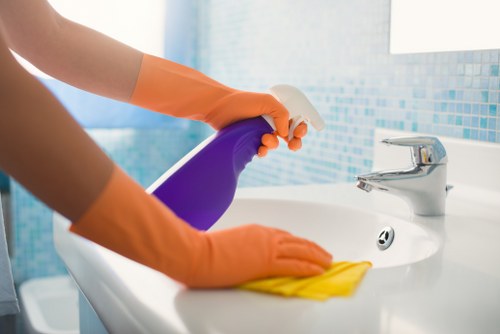
Deep cleaning is an intensive cleaning process that goes beyond everyday tasks. It focuses on removing accumulated dirt, sanitizing high-touch areas, and restoring spaces that have been overlooked for weeks or months. A standard cleaning may involve sweeping, wiping, and vacuuming, but deep cleaning includes more detailed work such as scrubbing grout, cleaning behind furniture, washing vents, and disinfecting hidden surfaces.
Because deep cleaning addresses buildup at the source, it often leads to a noticeable improvement in indoor air quality, appearance, and overall comfort. It is especially useful in areas exposed to moisture, food residue, pet hair, or constant foot traffic. For homeowners and businesses alike, deep cleaning is an important part of preserving the value and cleanliness of a property.
Deep cleaning services can be scheduled regularly or performed on a one-time basis depending on your needs. Some people choose seasonal deep cleaning, while others book it before events, after illness, or before listing a property for sale. The flexibility of deep cleaning makes it one of the most practical ways to keep a space in top condition.
Why Deep Cleaning Matters
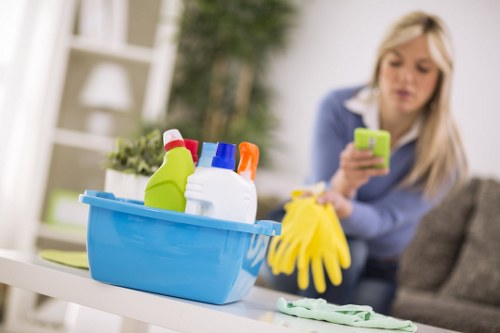
Deep cleaning is not just about appearance. It plays a major role in creating a healthier environment by reducing dust, bacteria, allergens, and odors. Over time, dust mites, mold spores, pet dander, and grease can build up in hidden spaces. When that happens, the air may feel stuffy, and surfaces can begin to look dull or worn.
A consistent deep cleaning routine helps prevent these issues before they become harder to manage. It can also reduce the spread of germs in kitchens, bathrooms, offices, and shared living spaces. In homes with children, older adults, or people with sensitivities, deep cleaning can make daily life more comfortable and hygienic.
Another important benefit is long-term maintenance. Surfaces that are cleaned thoroughly on a regular schedule tend to last longer and perform better. Floors, tile, countertops, appliances, and fixtures all benefit from the kind of attention that deep cleaning provides. In other words, the process helps protect both health and property.
Key Areas Covered During Deep Cleaning

One of the reasons deep cleaning is so effective is that it focuses on areas that are often ignored during normal routines. These spaces may not always be visible, but they can collect significant buildup. A successful deep cleaning plan should include both high-traffic surfaces and hidden problem areas.
Common areas covered in deep cleaning include kitchens, bathrooms, bedrooms, living rooms, hallways, entryways, and utility spaces. Each room has unique needs, but the goal remains the same: remove dirt, sanitize surfaces, and restore freshness. Deep cleaning also often includes detailed dusting and specialized surface care.
Here are some typical tasks found in a thorough deep cleaning checklist:
- Cleaning behind and under furniture
- Washing baseboards, trim, and door frames
- Scrubbing tile grout and removing soap scum
- Degreasing kitchen appliances and backsplash areas
- Dusting ceiling fans, vents, and light fixtures
- Disinfecting switches, handles, and other touchpoints
- Vacuuming upholstery, carpets, and edges of rooms
- Cleaning windows, sills, and tracks
Deep Cleaning the Kitchen

The kitchen is one of the most important spaces to address during deep cleaning because it is exposed to food residue, grease, moisture, and frequent use. A standard wipe-down may keep the kitchen looking acceptable, but deep cleaning reaches the places where buildup hides. This includes behind appliances, inside cabinets, along stovetops, and around sinks and drains.
Grease tends to cling to range hoods, cabinet doors, and backsplash tiles. Food particles may gather under and behind appliances, while sinks and faucets can develop mineral deposits or stains. Kitchen deep cleaning also includes sanitizing countertops, emptying cabinets if needed, and washing removable surfaces that collect dust and spills.
Some practical kitchen deep cleaning tasks include:
- Cleaning the inside and outside of the refrigerator
- Wiping shelves, drawers, and pantry spaces
- Degreasing ovens, stovetops, and microwaves
- Scrubbing sink basins and drain areas
- Polishing stainless steel appliances
- Cleaning cabinet handles and drawer pulls
- Vacuuming or mopping beneath appliances
Why kitchen deep cleaning needs extra attention
The kitchen can quickly become one of the most heavily used areas in any property. Because it supports food preparation and storage, cleanliness matters not only for appearance but also for sanitation. A properly completed deep cleaning routine helps make the kitchen safer, fresher, and easier to maintain between visits.
Bathroom Deep Cleaning for Better Hygiene

Bathrooms require special care because moisture and warmth can encourage soap scum, mildew, and bacteria growth. Deep cleaning a bathroom means going beyond the mirror, sink, and toilet to address tile surfaces, grout lines, vents, drains, and fixtures. A sparkling bathroom often starts with removing buildup in the less visible places.
For a bathroom deep cleaning, focus on scrubbing shower walls, polishing glass doors, disinfecting sinks, and removing residue from faucets and handles. Toilets should be thoroughly sanitized, including the base, seat hinges, and surrounding floor areas. Deep cleaning in bathrooms also helps control odors and keeps moisture-related issues from getting worse over time.
Important bathroom deep cleaning tasks may include:
- Removing soap scum from tubs, showers, and tiles
- Cleaning grout and mildew-prone areas
- Disinfecting toilet surfaces and adjacent flooring
- Wiping cabinet fronts and storage units
- Cleaning mirrors, glass, and chrome fixtures
- Emptying and sanitizing trash bins
- Cleaning exhaust fans and light covers
Keeping the bathroom fresh between deep cleans
Small habits can extend the results of bathroom deep cleaning. Wiping down wet surfaces after use, running the fan during showers, and quickly cleaning spills or splashes can help reduce buildup. These simple actions support a cleaner environment and make future deep cleaning less demanding.
How Deep Cleaning Helps Bedrooms and Living Areas
Bedrooms and living rooms may seem easier to maintain, but they often accumulate dust in overlooked areas. Bedding, curtains, upholstered furniture, and under-bed spaces can hold allergens and debris over time. Deep cleaning these rooms improves air freshness and creates a more relaxing environment.
In bedrooms, deep cleaning often includes washing bedding, vacuuming mattresses, dusting lamps, and cleaning under beds and dressers. In living areas, attention should be given to upholstery, entertainment centers, shelving, vents, and corners where dust gathers. If pets share the space, extra vacuuming and upholstery care may be needed.
Here are useful tasks to include during deep cleaning services for bedrooms and common areas:
- Vacuuming carpets, rugs, and edges along walls
- Dusting blinds, shelves, and decorative items
- Cleaning furniture legs and hidden surfaces
- Washing pillow covers, throws, and blankets
- Refreshing curtains or drapes as appropriate
- Cleaning behind beds, sofas, and media units
Why soft surfaces matter
Soft surfaces trap dust more easily than hard ones, which is why they deserve special attention during deep cleaning. Upholstery, bedding, and rugs can influence how fresh a room feels, and clean fabrics often make the entire area feel more inviting. Deep cleaning these spaces regularly supports both comfort and cleanliness.
Tools and Supplies Used for Deep Cleaning
Successful deep cleaning depends on using the right tools. While many tasks can be handled with basic supplies, specialized products and equipment often make the job more efficient. Choosing the right tools can also improve results and reduce the time needed to complete the work.
Common supplies for deep cleaning include microfiber cloths, scrub brushes, sponges, disinfectants, degreasers, glass cleaner, floor cleaner, and vacuum attachments. Steam cleaners, grout brushes, and extension dusters are especially useful for detailed work. When selected carefully, these tools make deep cleaning more effective and less physically demanding.
Some helpful items for a deep cleaning kit include:
- Microfiber towels for dusting and polishing
- Non-abrasive scrub pads for delicate surfaces
- All-purpose cleaner for general use
- Disinfectant for high-touch areas
- Vacuum cleaner with crevice tools
- Bucket, mop, and gloves
- Glass and stainless-steel cleaner
Choosing products safely
When using chemicals, read product labels and avoid mixing incompatible cleaners. Proper ventilation is important, especially in bathrooms and kitchens. If you prefer a greener approach, many people use plant-based or low-odor solutions for parts of the deep cleaning process.
How Often Should Deep Cleaning Be Done?
The ideal schedule for deep cleaning depends on the size of the property, the number of occupants, lifestyle habits, pets, and overall foot traffic. While regular cleaning may happen weekly, deep cleaning is usually performed less often. For many homes, a seasonal or quarterly approach works well.
Some spaces need deep cleaning more frequently. Kitchens and bathrooms may benefit from monthly detailed attention, especially in busy households. Offices, retail spaces, and shared facilities may require custom schedules based on use and hygiene expectations. The key is to prevent buildup from becoming overwhelming.
Consider a deep cleaning schedule based on these factors:
- Number of people living or working in the space
- Presence of pets or children
- Frequency of cooking and entertaining
- Humidity levels and ventilation quality
- Seasonal dust, pollen, or allergen concerns
- Event schedules, move-ins, or property turnovers
Signs it is time for a deep clean
If surfaces look dull, odors linger, or dust returns quickly after regular cleaning, it may be time for a more detailed approach. Sticky floors, stained grout, and hidden clutter are also common signs that a space needs deep cleaning rather than a surface-level refresh.
DIY Deep Cleaning vs. Professional Deep Cleaning Services
Some people prefer to handle deep cleaning themselves, while others choose professional support for convenience and consistent results. Both options can be effective depending on your schedule, budget, and the level of detail needed. DIY deep cleaning works well for smaller spaces or routine upkeep between professional visits.
Professional deep cleaning services are often a smart choice when a property has significant buildup, limited time for maintenance, or specialized cleaning needs. Trained teams typically bring experience, efficient methods, and equipment that can produce a more polished result. For busy households and commercial spaces, that can be a major advantage.
Here are some reasons people choose professional deep cleaning support:
- Time savings and convenience
- Thorough attention to detail
- Access to commercial-grade tools
- Better results in neglected areas
- Helpful support for move-in or move-out situations
- Reduced stress before events or seasonal changes
When DIY may be enough
If your space is already well maintained and you only need extra detail in a few areas, DIY deep cleaning can be practical and affordable. A clear checklist, reliable products, and a realistic timeline can help you achieve impressive results on your own.
Deep Cleaning for Move-In, Move-Out, and Special Occasions
Deep cleaning is especially valuable during transitions. Before moving into a new home, it is wise to clean all reachable and hidden surfaces so the space feels truly fresh. Move-out cleaning is equally important because it helps leave the property in better condition and makes final inspection easier.
Special occasions also create a need for deep cleaning. Holidays, family gatherings, celebrations, and open houses all call for a space that looks and feels its best. In these situations, deep cleaning can be paired with decluttering, organizing, and light staging to create a welcoming atmosphere.
Deep cleaning services are often ideal in these moments because they handle the areas most likely to be missed during routine cleaning. That includes inside drawers, behind toilets, under appliances, and in corners where dust tends to settle.
Event-ready cleaning priorities
- Focus on entryways, kitchens, and guest bathrooms
- Refresh floors, rugs, and visible surfaces
- Remove odors from trash, drains, and fabric items
- Dust decorative elements and lighting
- Make high-touch surfaces look spotless
How to Prepare for a Deep Cleaning Session
Preparation can make deep cleaning smoother and more efficient. Clearing clutter from surfaces, putting away personal items, and organizing loose belongings allows attention to stay on the actual cleaning work. A little planning can significantly improve the final result.
Before starting, gather your tools and decide which rooms need the most attention. It may help to work from top to bottom so dust and debris fall onto areas that will be cleaned later. This approach is widely used in deep cleaning because it minimizes repeat work and supports a more systematic process.
Use this simple preparation checklist:
- Declutter counters, tables, and floors
- Gather cleaning supplies in one place
- Open windows if ventilation is needed
- Move light furniture if possible
- Prioritize the dirtiest rooms first
- Allow enough time for drying and finishing
Building a realistic plan
It is better to complete a few areas thoroughly than to rush through an entire property. A step-by-step plan helps you stay focused and ensures that deep cleaning is done well. If the project feels too large, splitting it into sections or hiring support can be the most effective solution.
Benefits of Regular Deep Cleaning
Regular deep cleaning offers both immediate and long-term benefits. The most obvious is visual improvement: rooms look cleaner, brighter, and more welcoming. But the deeper value comes from the way it supports health, comfort, and maintenance over time.
A consistent deep cleaning routine can reduce allergens, improve indoor freshness, and lower the chance of permanent stains or damage. It also helps preserve flooring, fixtures, appliances, and furniture by removing corrosive or abrasive buildup before it causes wear. For property owners, that can translate into better value and fewer repairs.
Some key benefits include:
- Cleaner indoor air and fewer allergens
- Reduced bacteria and odor buildup
- Longer-lasting surfaces and furnishings
- Improved appearance and comfort
- Better hygiene in high-use areas
- Less stress about hidden dirt and clutter
When deep cleaning becomes part of a routine, the overall upkeep of a space becomes easier. Instead of reacting to major buildup, you stay ahead of it. That is one of the smartest ways to maintain a healthy and attractive property.
Final Thoughts on Deep Cleaning
Deep cleaning is an essential part of maintaining clean, healthy, and inviting spaces. It reaches the areas regular cleaning often misses and brings renewed freshness to homes, offices, and shared environments. Whether you tackle the work yourself or choose professional help, the results can be dramatic and long-lasting.
From kitchens and bathrooms to bedrooms and living spaces, every room benefits from a detailed approach. By using the right tools, following a clear plan, and focusing on neglected areas, you can achieve a cleaner environment that feels genuinely refreshed. Deep cleaning is not only about appearance; it is about comfort, hygiene, and long-term care.
If your home or workplace is overdue for a reset, now is a great time to act. Contact us today to learn more about service options, or book your service now to enjoy a cleaner space without the hassle.