Mattress Cleaning: Fresh, Healthy, and Better Sleep Starts Here
Why Mattress Cleaning Matters for Every Home

Mattress cleaning is one of the most overlooked parts of home care, yet it has a direct impact on sleep quality, indoor hygiene, and even the lifespan of your bed. Many people wash their sheets regularly, vacuum the floors, and dust furniture, but forget that the mattress can quietly collect sweat, dead skin cells, dust mites, allergens, and odors over time.
When a mattress is not cleaned properly, it can become a breeding ground for unwanted particles that affect comfort and freshness. A clean mattress does more than look good; it helps create a healthier sleeping environment. This is especially important for families with children, pet owners, allergy sufferers, and anyone who values a cleaner bedroom.
Regular mattress cleaning also helps preserve the structure and performance of your bed. Over time, dirt and moisture can wear down materials, cause stains, and contribute to lingering smells. With the right routine, you can keep your mattress in better shape and enjoy a more restful night’s sleep.
What Builds Up Inside a Mattress?
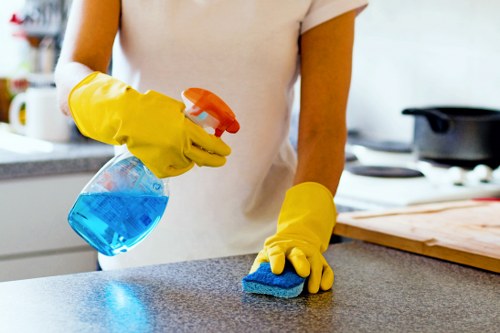
Even if a mattress looks clean on the surface, a lot can be hiding inside and below the fabric. Every night, the body naturally sheds skin cells, releases oils, and produces moisture. All of this can settle into the mattress, especially if the bed is not protected with a cover or regularly refreshed.
Common buildup inside a mattress includes:
- Dust mites and their waste particles
- Dead skin cells
- Body sweat and moisture
- Hair, lint, and pet dander
- Food crumbs and accidental spills
- Odors from humidity or prolonged use
These materials may not always be visible, but they can affect how the mattress smells and how comfortable it feels. In many cases, mattress cleaning is not just about appearances; it is about removing buildup before it becomes a bigger problem.
Signs Your Mattress Needs Cleaning

It is easy to delay mattress cleaning because the bed is used daily and often covered with linens. However, there are several signs that indicate your mattress needs attention. Some are obvious, while others are more subtle.
Look out for these common warning signs:
- Visible stains or discoloration on the surface
- Persistent odors that remain after changing sheets
- Increased sneezing or allergy symptoms at night
- Dust or debris accumulating along seams and edges
- A damp or musty smell in the bedroom
- Feeling less comfortable or less refreshed after sleep
If any of these issues sound familiar, it may be time to invest in a proper mattress cleaning routine. Addressing small issues early can help prevent deeper staining and long-term odor retention.
How Often Should Mattress Cleaning Be Done?
There is no single rule that fits every household, but a consistent schedule makes a big difference. Most mattresses benefit from light cleaning on a regular basis and deeper cleaning several times per year. The right frequency depends on usage, climate, household conditions, and whether pets or children share the bed.
A practical schedule for mattress cleaning may include:
- Weekly: Change bedding and allow the mattress to air out
- Monthly: Vacuum the mattress surface and inspect for stains
- Every 3 to 6 months: Perform deeper mattress cleaning with deodorizing and stain treatment
- Immediately: Clean spills, accidents, and fresh stains as soon as possible
For homes with allergies, pets, or heavy perspiration, more frequent mattress cleaning may be helpful. The key is consistency. A little attention throughout the year can protect both your sleep and your investment.
Basic Mattress Cleaning Steps You Can Do at Home

Many forms of mattress cleaning can be handled at home using simple tools and safe methods. Before beginning, strip the bed completely and wash all bedding. This gives you a clear view of the mattress surface and allows you to clean every exposed area.
A basic home cleaning routine typically includes vacuuming, spot cleaning, deodorizing, and drying. Start by vacuuming the mattress slowly with a clean upholstery attachment. Pay special attention to seams, tufts, and edges where dust and debris often gather. This first step removes loose particles and prepares the surface for deeper cleaning.
For light odors, sprinkling a thin layer of baking soda over the mattress can help absorb moisture and neutralize smells. Let it sit for several hours, then vacuum it thoroughly. This is a simple and effective method of mattress cleaning that many homeowners use between deeper treatments.
How to Remove Common Mattress Stains
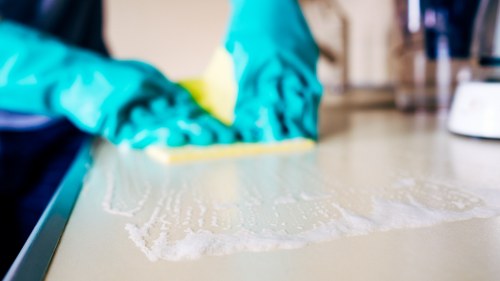
Stains are one of the most frustrating parts of mattress cleaning, but many can be treated successfully if handled quickly. The right approach depends on the type of stain. Acting fast is important because older stains are harder to lift and may penetrate deeper into the fabric.
For sweat stains, a mild solution of water and gentle detergent may help. For food or drink spills, blot the area immediately rather than rubbing it, which can spread the stain further. For body fluid stains, use an enzyme-based cleaner designed to break down organic matter.
Here are a few stain-removal tips to keep in mind:
- Blot, don’t scrub: Scrubbing can damage mattress fibers
- Use minimal moisture to avoid soaking the padding
- Test cleaning solutions on a small hidden area first
- Allow plenty of drying time after treatment
- Repeat gentle cleaning if necessary rather than using harsh chemicals
Proper stain care is a major part of effective mattress cleaning, especially when trying to preserve the original look and feel of the bed.
Why Drying Matters in Mattress Cleaning
One of the most important parts of mattress cleaning is drying the surface completely. A mattress that stays damp for too long can develop odors, mildew, or mold. Because mattresses are thick and layered, moisture can get trapped inside even when the top feels dry.
To dry a mattress safely, improve airflow in the room by opening windows or using fans. If possible, place the mattress in direct sunlight for a short time, as sunlight can help reduce bacteria and odors. Be cautious not to over-wet the mattress during the cleaning process, since excess liquid can make drying more difficult.
Drying is not just a finishing step; it is essential to successful mattress cleaning. A well-dried mattress is fresher, safer, and ready for use much sooner.
Deep Mattress Cleaning: When to Go Further
Sometimes light vacuuming and spot treatment are not enough. If your mattress has strong odors, old stains, or signs of allergen buildup, a deeper cleaning may be necessary. Deep mattress cleaning often involves a more focused process that targets the hidden layers of dirt and buildup.
Deep cleaning may include:
- Thorough vacuuming of all mattress surfaces
- Targeted stain treatment for visible marks
- Odor absorption using baking soda or specialized products
- Steam-based cleaning when suitable for the mattress type
- Extended drying time with strong ventilation
Not all mattresses are suitable for every method, so it is important to check the care instructions first. Memory foam, latex, hybrid, and innerspring beds can all react differently to heat and moisture. Choosing the right mattress cleaning method helps prevent damage while improving results.
Mattress Cleaning for Allergy Relief
For allergy sufferers, a clean mattress can make a noticeable difference in nighttime comfort. Dust mites and accumulated dust are common triggers for sneezing, itchy eyes, congestion, and restless sleep. Regular mattress cleaning helps reduce these triggers and supports a cleaner bedroom environment.
To improve allergy control, combine mattress cleaning with other protective habits. Use allergen-resistant mattress covers, wash bedding in hot water when appropriate, and vacuum the bedroom regularly. Keeping humidity under control can also help reduce dust mite activity and prevent moisture-related odors.
In many homes, mattress cleaning is one of the simplest ways to improve sleep for people with sensitivities. It will not solve every allergy issue, but it can be a valuable part of a healthier routine.
How Mattress Protectors Help Keep the Bed Cleaner
Mattress protectors are one of the smartest investments for preventing buildup and reducing the need for heavy cleaning. They create a barrier between the sleeper and the mattress, helping block moisture, spills, dust, and everyday wear.
A good protector can support easier mattress cleaning in several ways:
- Protects against liquid spills and stains
- Reduces direct contact with sweat and body oils
- Makes routine cleaning faster and easier
- Helps extend mattress life
- Supports better hygiene for children and pets
For best results, wash the protector regularly and replace it if it becomes worn. When paired with regular mattress cleaning, a protector can significantly improve the cleanliness and durability of your bed.
Professional Mattress Cleaning vs. DIY Methods
Some homeowners prefer to clean their mattress on their own, while others choose professional services for a deeper or more convenient solution. Both options can work well, depending on the condition of the mattress and the goals of the homeowner.
DIY mattress cleaning is often best for routine upkeep, small stains, and light odors. It is usually affordable and easy to fit into a monthly home care routine. However, it may not fully remove deep-set stains, severe odors, or heavy allergen buildup.
Professional mattress cleaning can be helpful when the mattress has been heavily used, exposed to spills, or affected by persistent odors. Professionals often use specialized tools and cleaning solutions that can reach deeper into the material. If your mattress is old, delicate, or heavily soiled, professional help may be the safer and more effective choice.
What to Avoid During Mattress Cleaning
Not every cleaning method is safe for every mattress. Using the wrong approach can lead to damage, discoloration, or lingering moisture. Avoiding common mistakes is just as important as following the right steps.
Common mistakes to avoid include:
- Soaking the mattress with too much water
- Using bleach or harsh chemicals without checking fabric safety
- Ignoring drying time after cleaning
- Rubbing stains aggressively
- Using too much fragrance, which may only mask odors
- Skipping routine vacuuming and maintenance
Smart mattress cleaning is gentle, controlled, and regular. The goal is to refresh the mattress without harming the materials that support your sleep every night.
Mattress Cleaning and Better Sleep Quality
A clean mattress can improve the entire sleep experience. Fresh bedding, reduced odors, and fewer allergens all contribute to a more relaxing space. When your mattress feels clean, it is easier to unwind at the end of the day and enjoy deeper rest.
Sleep quality is influenced by many factors, including room temperature, lighting, and stress levels. But mattress hygiene also matters. If a bed smells stale or feels dusty, it can subtly affect comfort and even make it harder to fall asleep. Regular mattress cleaning supports a more peaceful, inviting bedroom.
For many households, improving sleep begins with simple habits. Clean sheets, a vacuumed mattress, and a fresh sleeping environment can make bedtime feel noticeably better.
Practical Mattress Cleaning Tips for Busy Households
Busy schedules often make deep home cleaning feel difficult, but mattress care does not need to be overwhelming. Small habits can keep the bed fresher between major cleanings and reduce the amount of work later on.
Try these practical habits:
- Rotate or flip the mattress as recommended by the manufacturer
- Air out the bed whenever changing sheets
- Vacuum the mattress during monthly bedroom cleaning
- Use a washable mattress protector
- Respond to spills immediately
- Schedule deeper mattress cleaning a few times per year
These habits are easy to repeat and can make a surprisingly big difference over time. A manageable cleaning routine is often more effective than occasional, rushed deep cleaning.
Mattress Cleaning for Families, Pets, and Everyday Life
Households with children and pets often need a more active mattress cleaning routine. Kids may spill drinks, have accidents, or bring dirt into the bedroom. Pets may shed fur, leave dander behind, or accidentally mark the bed. These situations are common, and they make regular care especially important.
In family homes, durability and hygiene matter just as much as comfort. That is why it helps to focus on prevention, quick response, and regular maintenance. Protective covers, frequent laundering, and prompt stain removal are especially valuable in busy homes.
Mattress cleaning does not have to be complicated to be effective. With a practical system, families can keep sleeping spaces fresher and more pleasant all year long.
Final Thoughts on Keeping Your Mattress Fresh
Mattress cleaning is a simple but powerful part of home care. It supports healthier sleep, reduces odors, limits buildup, and helps protect one of the most important pieces of furniture in the house. Whether you handle routine upkeep yourself or occasionally choose professional support, consistency is the key.
By vacuuming regularly, treating stains quickly, controlling moisture, and using protective bedding, you can keep your mattress in much better condition. A cleaner mattress not only feels better but also contributes to a more comfortable and inviting bedroom overall.
If your mattress has not been cleaned in a while, now is the perfect time to start. Contact us today or book your service now to give your bed the freshness it deserves and enjoy a cleaner, more restful sleep environment.