Communal Area Cleaning: Keeping Shared Spaces Fresh, Safe, and Welcoming
Communal area cleaning plays a vital role in maintaining healthy, attractive, and functional shared environments. Whether it involves apartment buildings, office complexes, residential estates, schools, or mixed-use developments, the quality of communal area cleaning directly affects how people experience a property. Clean shared spaces create a better first impression, support hygiene, reduce complaints, and help preserve the long-term value of the building.
In busy settings, communal area cleaning is about more than just appearance. It helps manage germs, remove dirt and litter, reduce odors, and keep high-traffic surfaces safe and presentable. From stairwells and corridors to lobbies, lifts, bin stores, and entranceways, every shared area benefits from a consistent and professional cleaning routine.
As property owners, landlords, managing agents, and facility managers look for dependable ways to maintain standards, the importance of effective communal area cleaning continues to grow. It is one of the most noticeable services in any building because it affects everyone who lives, works, or visits there.
Why Communal Area Cleaning Matters

Communal area cleaning is essential because these are the spaces used by multiple people every day. High foot traffic means dirt builds up quickly, and without proper cleaning, surfaces can become unhygienic and unattractive. Shared spaces often include touchpoints such as handrails, door handles, switches, and lift buttons, which need regular attention to help reduce the spread of bacteria.
A clean communal environment also contributes to a sense of order and care. When residents or employees see that common areas are maintained properly, they are more likely to respect the space themselves. This can support better behavior overall, such as less littering, fewer maintenance issues, and stronger community pride.
There is also a practical side to communal area cleaning. Dirt, spills, moisture, and debris can create slip hazards and damage flooring over time. Regular cleaning protects surfaces, improves safety, and helps avoid costly repairs. In this sense, communal area cleaning is both a presentation service and a preventative maintenance measure.
Key Spaces Included in Communal Area Cleaning
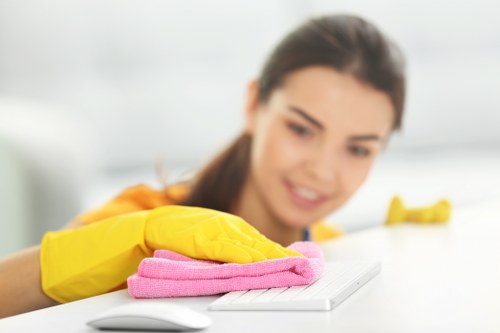
Every property is different, but most communal area cleaning plans include a core set of shared spaces that need regular care. These areas tend to be the most visible and the most heavily used, so keeping them clean is a priority.
Common spaces often covered include:
- Entrance halls and reception areas
- Staircases and landings
- Corridors and walkways
- Lifts and lift lobbies
- Bin storage rooms
- Shared kitchens and break areas
- Washrooms and changing areas
- Car parks, bike stores, and external paths
Each of these spaces presents different cleaning challenges. For example, entrance halls often collect mud and moisture, while lift areas require frequent sanitizing of touchpoints. Bin stores need odor control and careful waste management, and corridors may require regular dusting, vacuuming, and spot cleaning. A good communal area cleaning service adapts to these needs rather than applying a one-size-fits-all approach.
What Professional Communal Area Cleaning Usually Includes
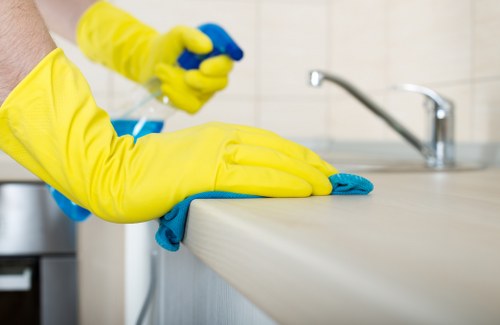
Professional communal area cleaning services are typically structured around routine tasks that keep the property in excellent condition. These tasks are performed on a daily, weekly, or customized schedule depending on the building’s needs.
Typical services may include vacuuming carpets, sweeping and mopping hard floors, cleaning glass surfaces, wiping ledges, removing litter, emptying bins, sanitizing hand contact points, and polishing fittings. In some properties, communal area cleaning also includes checking for visible damage or reporting maintenance concerns such as broken lights, loose fixtures, or overflowing waste containers.
Using consistent cleaning routines makes a major difference in shared environments. Regular cleaning prevents dirt from becoming embedded, reduces unpleasant smells, and keeps the building looking fresh. It also helps ensure that the communal area cleaning standard stays high rather than fluctuating from week to week.
Examples of routine tasks
- Vacuuming carpets and mats
- Mopping hard flooring with suitable products
- Dusting skirting boards, window sills, and radiators
- Cleaning mirrors, glass doors, and entrance panels
- Sanitizing railings, switches, buttons, and handles
- Removing cobwebs and debris from corners
- Monitoring bin areas for spillage or overflow
Benefits of Regular Communal Area Cleaning
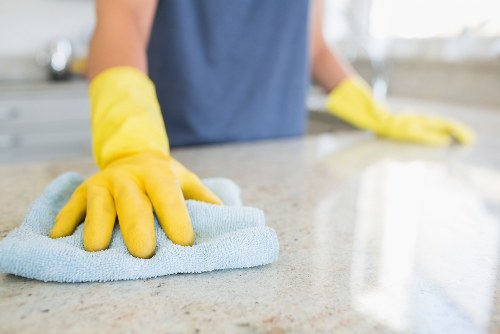
One of the strongest reasons to invest in communal area cleaning is the wide range of benefits it provides. These benefits affect residents, visitors, staff, property managers, and the building itself.
Improved hygiene is one of the most obvious advantages. Shared surfaces are touched repeatedly throughout the day, so cleaning helps reduce the buildup of germs and allergens. This is especially important in colder months or during periods of increased illness.
Better presentation is another important benefit. A neat, fresh-looking communal area gives a positive impression and helps people feel comfortable in the space. Clean floors, polished entrances, and tidy hallways make any property look more cared for.
There are also financial benefits. Regular communal area cleaning can extend the life of flooring, paintwork, fixtures, and fittings by preventing excessive wear. It may also help reduce complaints, lower the risk of accidents, and support higher property appeal. In rental and managed properties, this can contribute to stronger tenant satisfaction and retention.
Additional advantages
- Reduces slip and trip hazards
- Supports better indoor air quality
- Helps control odors in shared waste areas
- Creates a more respectful shared environment
- Preserves building value over time
How Communal Area Cleaning Supports Health and Safety
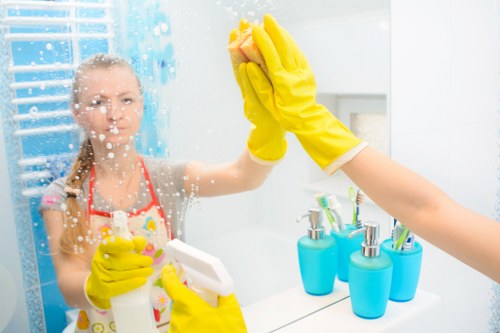
Health and safety are central to effective communal area cleaning. Shared spaces can quickly become risky when dust, wet patches, debris, or spillages are left unattended. Floors may become slippery, and clutter can obstruct walkways or emergency access routes. A proper cleaning routine helps minimize these risks.
Touchpoint cleaning is especially important. In a communal setting, many people contact the same surfaces throughout the day. Regular wiping and sanitizing of high-touch areas such as handles, bannisters, door plates, and buttons can help support a healthier environment. This is one reason why communal area cleaning is often scheduled more frequently in buildings with high occupancy.
Another safety factor is visibility. Clean, well-maintained communal areas are easier to inspect. If a spill occurs or a fixture becomes damaged, it is more likely to be noticed and addressed quickly. That means communal area cleaning can play a role in identifying hazards before they lead to larger problems.
Health and safety concerns to watch for
Slippery floors, exposed debris, unemptied bins, blocked pathways, and poor hygiene in shared washrooms can all create unnecessary risks. A proactive cleaning schedule helps prevent these issues and supports a safer property overall.
Choosing the right approach to communal area cleaning depends on the type of property, the amount of daily traffic, and the expectations of occupants. A small block of flats may only require light daily maintenance and a deeper weekly clean, while a busy office building may need several visits per week or even daily attention in certain areas. The best results come from tailoring the service to the building rather than relying on a fixed routine for every site.
It also helps to set clear standards. When communal area cleaning is managed through a defined checklist, it becomes easier to maintain consistency. Property managers can track which tasks were completed, spot recurring problem areas, and make sure nothing gets overlooked. This structure benefits everyone because expectations are clearer and the outcome is more reliable.
Another important part of communal area cleaning is communication. Residents or tenants may need to know when cleaning is scheduled, especially if equipment, water, or temporary access restrictions are involved. Clear scheduling helps avoid inconvenience and ensures people understand when spaces will be attended to. Good communication also makes it easier to report issues such as damaged bins, leaks, or persistent mess.
Choosing the Right Communal Area Cleaning Schedule
There is no single schedule that fits every property. Instead, communal area cleaning should be based on actual use, seasonal changes, and the level of cleanliness required. Buildings with heavy foot traffic may need daily service, while quieter properties may be fine with less frequent visits. The key is to strike a balance between practicality and presentation.
Factors that affect scheduling include:
- Number of residents, employees, or visitors
- Size and layout of the building
- Presence of carpets, hard floors, or specialist surfaces
- Waste disposal needs
- Weather exposure, especially near entrances
- Use of shared facilities such as kitchens or washrooms
For example, a building with several entrances may need different cleaning frequencies depending on which access points are most heavily used. Likewise, properties with external walkways or car parks may require more attention during rainy or muddy seasons. Flexible planning helps keep communal area cleaning efficient and effective year-round.
Daily, weekly, and periodic tasks
Many successful cleaning plans separate tasks into categories. Daily tasks usually focus on visible dirt, litter, and touchpoints. Weekly tasks may include deeper floor care, dust removal in less obvious spots, and more detailed cleaning of shared surfaces. Periodic tasks might involve high-level dusting, deep cleaning of carpets, or more intensive bin area maintenance.
Best Practices for Effective Communal Area Cleaning
Strong results come from using the right methods, products, and people. Communal area cleaning should be carried out with care and attention to detail, particularly in environments where safety, hygiene, and appearance matter equally.
One important practice is using suitable cleaning products for each surface. Different materials require different treatments. For instance, a product that works well on tiled flooring may not be ideal for wood, vinyl, or glass. Using the wrong cleaning chemicals can damage surfaces or leave streaks and residues. Effective communal area cleaning therefore depends on product knowledge as much as effort.
Another best practice is focusing on high-traffic and high-touch areas first. These spots accumulate the most dirt and contamination. Prioritizing them ensures that the most visible and most frequently used parts of the building stay in good condition. It also helps cleaning teams work efficiently without missing critical tasks.
Useful best-practice tips
- Use color-coded equipment where appropriate
- Follow a clear room-by-room checklist
- Replace worn tools before cleaning quality drops
- Report hazards or maintenance issues immediately
- Use eco-friendly products where suitable
- Focus on consistency, not just speed
Attention to detail matters because small issues often become bigger problems if ignored. A minor spill, a dusty ledge, or a neglected bin area can quickly affect the whole environment. Thorough communal area cleaning prevents that decline and keeps standards high.
Communal Area Cleaning in Residential Buildings
In residential properties, communal area cleaning has a direct effect on the everyday experience of tenants and leaseholders. Hallways, entryways, lifts, and stairs are used constantly, which makes them vulnerable to dirt buildup. Clean shared spaces can help residents feel more comfortable and more satisfied with where they live.
Residential communal area cleaning often includes protecting appearance during changing weather. Wet shoes, mud, leaves, and salt can all be brought indoors. This makes entrance mats, foyer floors, and stairwells especially important. Regular cleaning helps preserve flooring and maintain a welcoming atmosphere for everyone entering the building.
Bin stores and refuse areas are also a key part of residential cleaning. These areas require careful management because they can quickly develop odors or attract pests if not maintained properly. By keeping waste spaces clean and orderly, communal area cleaning supports both hygiene and resident wellbeing.
Residential priorities
- Clean and safe access routes
- Odor control in waste areas
- Dust and debris removal from stairwells
- Polished entrances and reception spaces
- Regular sanitization of shared touchpoints
Communal Area Cleaning in Commercial and Mixed-Use Properties
Commercial and mixed-use properties often require a more detailed communal area cleaning plan because they serve multiple groups of people. Offices, retail entrances, shared lobbies, and public corridors may experience changing patterns of use throughout the day. This makes consistency especially important.
In commercial settings, presentation is closely linked to brand image. Visitors notice the condition of entrances, lifts, and corridors as soon as they arrive. Clean communal spaces suggest professionalism and attention to detail, which can influence how the entire property is perceived. For businesses, that makes communal area cleaning an essential part of overall site management.
Mixed-use environments may need cleaning that balances residential comfort with commercial expectations. Shared spaces can include everything from apartment lobbies to retail access paths, so the service must be adaptable. A reliable cleaning strategy helps all occupants feel that the property is being managed properly.
Commercial cleaning considerations
Office buildings may need more frequent cleaning of reception areas and lift controls, while retail-adjacent spaces may require more litter removal and glass cleaning. Service providers should adjust the plan to match the way the building is actually used.
Common Challenges in Communal Area Cleaning
Despite being straightforward in concept, communal area cleaning can present several challenges. One common issue is unpredictable use. A space may look fine in the morning and become dirty or cluttered by afternoon. This is especially true in large buildings or public-facing properties.
Another challenge is inconsistency. If cleaning is missed or completed only partially, the condition of the building can deteriorate quickly. This is why reliable scheduling and clear task lists matter so much. Communal area cleaning works best when it is dependable rather than occasional.
There can also be access problems. Some areas may be locked, used at certain times, or difficult to reach. Cleaning teams need proper coordination to work efficiently without disrupting residents or staff. In addition, some buildings have delicate materials, specialist flooring, or historic features that require extra care.
How to overcome these challenges
- Use planned routes and cleaning times
- Maintain open communication with site managers
- Train staff in surface-specific methods
- Review cleaning schedules regularly
- Respond quickly to spills, litter, and complaints
Why Professional Support Makes a Difference
While some buildings handle minor upkeep internally, professional support often delivers better results for communal area cleaning. Experienced cleaners understand the demands of shared spaces and know how to maintain standards without unnecessary disruption. They also bring specialist equipment, suitable products, and structured processes that improve consistency.
Professional cleaning teams are often better placed to spot early signs of wear, damage, or recurring cleanliness problems. Their observations can help property managers take action sooner, preventing larger issues from developing. In this way, communal area cleaning becomes part of a wider maintenance strategy rather than a standalone task.
For many properties, outsourcing the work also saves time and improves reliability. Instead of relying on ad hoc cleaning, managers can benefit from a service that follows a clear schedule and delivers measurable results. If your property needs higher standards, contact us today to discuss a cleaning plan that suits your shared spaces.
How to Keep Communal Areas Looking Better for Longer
Good cleaning is important, but so is prevention. Communal area cleaning is more effective when combined with everyday habits that reduce mess and protect shared environments. Simple steps such as providing adequate bins, using entrance mats, and encouraging respectful behavior can significantly reduce cleaning demands.
Regular inspections also help maintain standards. When issues are noticed early, they are easier and cheaper to resolve. This includes checking for damage, monitoring waste overflow, and ensuring that cleaning schedules still match actual usage. A property that is reviewed regularly is easier to keep clean.
Seasonal changes matter too. Wet weather, pollen, leaves, and increased footfall around holidays can all affect the condition of communal spaces. Adapting cleaning frequency during these periods helps keep the property presentable. If you want a cleaner, safer, more polished shared environment, book your service now and keep your communal area cleaning routine working at its best.
Practical prevention tips
- Place mats at all main entrances
- Encourage waste to be disposed of correctly
- Repair leaks and damage quickly
- Increase cleaning frequency during wet months
- Schedule periodic deep cleans for high-use areas
Communal area cleaning is one of the most valuable services for any shared property because it affects hygiene, appearance, safety, and long-term maintenance. When it is planned well and carried out consistently, it transforms everyday spaces into places that feel organized, respected, and comfortable. From residential blocks to office buildings and mixed-use developments, effective communal area cleaning supports the standards that people notice most.
By focusing on routine care, high-touch surfaces, proper scheduling, and attention to detail, property managers can maintain better shared environments with fewer problems over time. Clean communal spaces also help create a more positive atmosphere for residents, workers, and visitors alike. In other words, investing in professional communal area cleaning is not just about tidiness; it is about making the whole property work better for everyone.